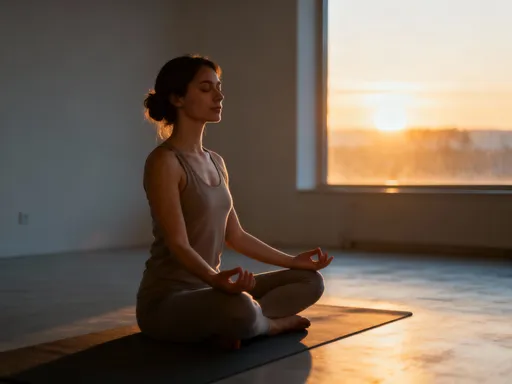
Breathe Like You Mean It: Simple Moves That Reset Your Body and Mind
Ever feel like your body’s running on overdrive, but you can’t hit pause? Many women in their 30s, 40s, and 50s know this feeling all too well—juggling family, work, and personal responsibilities often leaves little room for self-care. Racing thoughts, tight shoulders, and constant fatigue become normal. The surprising truth is, the solution may not be another supplement, a longer workout, or a drastic diet change. It could be as simple as learning how to breathe—really breathe. Not just the automatic breaths that keep us alive, but intentional, mindful breaths that calm the nervous system, reduce tension, and restore balance. This isn’t a wellness trend or spiritual fad. It’s grounded in science, tested by the body, and proven effective for improving both physical and mental well-being. The breath is a powerful, always-accessible tool that, when used with awareness, can transform how we feel each day.
The Hidden Power of Breath: Why It’s More Than Just Air
Breathing is unique among bodily functions because it operates automatically, yet can also be brought under conscious control. While your heart beats and your digestive system works without your input, your breath is different. You can choose to speed it up, slow it down, hold it, or deepen it. This dual nature makes breath a bridge between the conscious and unconscious parts of your body. When you harness this ability, you gain direct influence over your nervous system—specifically, the autonomic nervous system, which regulates stress response, heart rate, digestion, and muscle tension. Most people breathe shallowly, using only the upper chest rather than engaging the diaphragm. This pattern, known as chest breathing, signals the body to stay in a low-level state of alert, even when there’s no real danger. Over time, this contributes to chronic stress, fatigue, and physical discomfort.
Diaphragmatic breathing, also called belly breathing, activates the opposite response. When you inhale deeply through the nose, the diaphragm moves downward, allowing the lungs to fully expand and the belly to rise. This sends a clear message to the brain: “We are safe.” As a result, the parasympathetic nervous system—the body’s calming branch—engages. This shift lowers heart rate, reduces blood pressure, and eases muscle tension. Despite its benefits, many people unknowingly default to shallow breathing due to stress, poor posture, or habitual patterns developed over years. The good news is, just like any skill, healthy breathing can be relearned. It doesn’t require special equipment or hours of practice. With consistent, gentle effort, anyone can begin to shift from survival breathing to restorative breathing—one mindful breath at a time.
Body Out of Balance? How Breathing Can Help Restore It
When the body is out of balance, it sends signals—often subtle at first, then more persistent. Common signs include chronic fatigue, frequent tension in the neck and shoulders, difficulty concentrating, irritability, and disrupted sleep. These symptoms are often dismissed as inevitable parts of aging or busy lifestyles, but they can also point to a deeper issue: poor regulation of the nervous system. When stress becomes chronic, the body remains in a prolonged state of sympathetic activation—commonly known as the “fight-or-flight” response. This was designed for short-term survival, not long-term living. In this state, resources are diverted away from digestion, repair, and relaxation. Breathing patterns follow suit, becoming rapid and shallow, which further reinforces the stress cycle.
Controlled, intentional breathing acts as a natural reset button. Research has shown that slow, rhythmic breathing can shift the nervous system toward balance, a state known as homeostasis. A study published in *Frontiers in Psychology* found that participants who practiced slow breathing for just 10 minutes a day experienced significant reductions in perceived stress and improvements in heart rate variability—a key marker of nervous system resilience. Another study in the *Journal of Clinical Psychology* demonstrated that diaphragmatic breathing reduced cortisol levels, the primary stress hormone, in adults with moderate anxiety. These findings highlight that breathing is not just about oxygen exchange—it’s a powerful modulator of the body’s internal environment. By consciously altering breath patterns, you can signal safety to the brain, reduce physiological stress, and support recovery processes that restore energy, focus, and emotional stability.
The 4-Step Breath Reset: A Practical Method Anyone Can Try
One of the most effective and accessible breathing techniques is the 4-Step Breath Reset. This simple, repeatable method can be practiced anywhere and requires no prior experience. Begin by sitting or lying in a comfortable position, with your spine straight but relaxed. Place one hand on your chest and the other on your belly to monitor your breath. The goal is to feel the lower hand rise more than the upper one, ensuring diaphragmatic engagement. Start with a gentle inhale through the nose for a count of four, allowing the belly to expand fully. Feel the air moving deep into the lungs, filling the lower ribcage. At the top of the inhale, pause briefly—just one second—to allow the breath to settle. Then, exhale slowly through the mouth or nose for a count of six, gently drawing the belly inward. After the exhale, pause again for two seconds before beginning the next inhale.
This 4-6-2 rhythm—inhale for four, exhale for six, pause for two—creates a slight extension of the exhale, which is key to activating the parasympathetic nervous system. The longer exhale stimulates the vagus nerve, a major pathway for calming signals in the body. Practicing this cycle for just three to five minutes can produce noticeable changes in mood and physical state. Real-life applications make this technique even more valuable. Try it while sitting in traffic, before responding to a stressful email, during a work break, or as part of your bedtime routine. The beauty of this method lies in its simplicity and adaptability. You don’t need perfect conditions or special equipment. Whether you’re in a quiet room or a busy kitchen, a few intentional breaths can create space, clarity, and calm amidst daily demands.
Breath and the Body Connection: What Actually Happens Inside
When you practice intentional breathing, a cascade of physiological changes occurs beneath the surface. One of the most important is the balance between oxygen (O₂) and carbon dioxide (CO₂). Contrary to popular belief, it’s not just oxygen that matters—CO₂ plays a crucial role in regulating blood pH and allowing oxygen to be released to tissues. Rapid, shallow breathing often leads to overexhalation of CO₂, a condition called hypocapnia, which can cause dizziness, tingling, and increased anxiety. Slow, controlled breathing maintains optimal CO₂ levels, supporting efficient oxygen delivery and stabilizing the nervous system. This is why paced breathing can reduce feelings of lightheadedness and promote a sense of grounding.
Another key mechanism is vagus nerve activation. The vagus nerve is the longest cranial nerve and a primary component of the parasympathetic nervous system. It runs from the brainstem through the neck and into the chest and abdomen, influencing heart rate, digestion, and inflammation. Deep, slow breathing stimulates the vagus nerve, increasing heart rate variability (HRV)—a measure of the healthy fluctuation in time between heartbeats. Higher HRV is associated with better stress resilience, emotional regulation, and overall cardiovascular health. Think of your breath as a remote control for your nervous system: with each slow exhale, you’re pressing the “calm” button. Over time, this practice strengthens the body’s ability to return to balance after stress, much like building a muscle through repetition. The effects extend beyond the moment—improved digestion, reduced muscle tension, and sharper mental focus are all supported by this internal shift.
Common Mistakes That Block Results (And How to Fix Them)
Even with the best intentions, many people encounter obstacles when starting a breath practice. One of the most common mistakes is over-breathing—taking in too much air too quickly, which can lead to lightheadedness and discomfort. This often happens when people try to force deep breaths without proper pacing. Another frequent error is focusing too much on the chest rather than the belly. Chest-dominant breathing keeps the body in a state of alertness and limits the full expansion of the lungs. Some may also hold their breath unintentionally between cycles or strain to maintain a rigid count, which introduces tension instead of release. These missteps can make the practice feel frustrating or ineffective, leading people to give up too soon.
The solution lies in gentle correction and awareness. Start by focusing on smooth, effortless breaths rather than depth or speed. Use tactile cues: keep one hand on the belly and aim to feel a gentle rise with each inhale. If you notice tension in the shoulders or jaw, consciously relax those areas. It can also help to make a soft sound on the exhale—like a quiet sigh—to lengthen and regulate the breath. If counting feels too rigid, try syncing your breath with a simple phrase, such as “I am calm” on the inhale and “I let go” on the exhale. Most importantly, remember that consistency matters more than intensity. Practicing for just one or two minutes a day with attention and ease is more beneficial than five minutes of strained effort. Progress comes from regular, mindful engagement, not perfection. Over time, these small corrections build a sustainable, effective practice.
Making It Stick: Weaving Breath Into Daily Life
For lasting change, breathwork must become a natural part of daily life—not something reserved for moments of crisis. The key is integration through micro-practices. Begin by setting small, achievable goals. Try taking three intentional breaths as soon as you wake up, before getting out of bed. This sets a calm tone for the day. Before meals, pause for one minute of slow breathing. This not only supports digestion by activating the parasympathetic nervous system but also encourages mindful eating. At night, use a five-minute breath practice as part of your wind-down routine to signal to your body that it’s time to rest. These brief moments accumulate, reinforcing the habit without overwhelming a busy schedule.
Linking breath to movement enhances its impact. While stretching, coordinate each motion with your breath—inhale as you reach upward, exhale as you fold forward. During a walk, sync your steps with your breath: inhale for three steps, exhale for four. Even light household activities like folding laundry or washing dishes can become opportunities for mindful breathing. The goal is not to add more to your day, but to transform existing moments into nourishing pauses. It’s also important to normalize imperfection. Some days, you may forget. Other days, your mind may race despite your efforts. That’s okay. What matters is showing up, again and again, with kindness and patience. Each breath is a fresh start, a chance to reconnect with yourself. Over time, this practice fosters a deeper sense of presence and self-awareness.
Beyond Calm: Long-Term Benefits of a Breath-Aware Lifestyle
The benefits of mindful breathing extend far beyond momentary relaxation. With regular practice, women often report improved sleep quality, greater emotional resilience, and sustained energy throughout the day. Because breathing influences the nervous system so directly, its effects are cumulative. Over weeks and months, the body becomes better at regulating stress, recovering from challenges, and maintaining equilibrium. This translates into real-life improvements: fewer tension headaches, reduced muscle stiffness, more patience with family, and clearer thinking at work. Sleep often improves as the mind learns to quiet down and the body releases physical tension before bedtime. Emotional regulation becomes easier, as the gap between stimulus and response widens—giving you more space to choose how to react, rather than react automatically.
Viewing breath training as foundational self-care shifts the perspective from quick fixes to long-term wellness. It’s not about achieving a perfect state, but about building resilience. In the same way that brushing your teeth daily prevents long-term dental issues, daily breath practice supports long-term nervous system health. It requires no financial investment, fits into any lifestyle, and is always available. As women navigate the many roles they play—mother, partner, professional, caregiver—this simple tool offers a way to stay grounded and present. It’s a quiet act of self-respect, a way of saying, “I matter.” Over time, the breath becomes more than a function—it becomes a companion, a source of strength, and a daily reminder that balance is possible, one breath at a time.
Breathing is not just a biological necessity—it’s a daily opportunity to reset, reconnect, and reclaim control. When practiced with awareness, it becomes a quiet force that shapes physical well-being and mental clarity. This isn’t about dramatic change; it’s about showing up for your body, one breath at a time. The power is already within you, waiting to be noticed. All it takes is attention, intention, and a willingness to pause. In a world that rarely slows down, your breath offers a sanctuary—a steady, reliable anchor in the midst of life’s demands. By learning to breathe like you mean it, you begin to live like you mean it too.