What Science Says About Skin Recovery — And What Actually Works
Ever wondered why your skin reacts the way it does after a breakout, sunburn, or irritation? It’s not just about creams or routines — your skin’s healing power runs deep, rooted in biology. I’ve tested methods, studied dermatology insights, and seen real changes. This isn’t magic; it’s science. Here’s how your skin repairs itself, what boosts the process, and what’s just noise in the skincare world.
The Hidden Healing Power of Your Skin
Your skin is far more than a surface layer — it’s a dynamic, self-renewing organ that works constantly to protect and restore itself. Composed of three primary layers — the epidermis, dermis, and subcutaneous tissue — each plays a specialized role in maintaining health and initiating recovery. The outermost layer, the epidermis, undergoes a continuous cycle of cellular turnover, where old cells are shed and replaced by new ones. This process, typically completed in about 28 days in healthy adults, is central to how skin recovers from damage such as acne lesions or minor wounds.
The biological journey of skin recovery unfolds in three well-defined phases: inflammation, proliferation, and remodeling. Immediately after injury, the inflammation phase begins, marked by increased blood flow and immune cell activity to clear debris and prevent infection. Though often viewed negatively, this stage is essential — it sets the foundation for healing. Next, during the proliferation phase, the body generates new tissue through the formation of collagen and blood vessels. Finally, in the remodeling phase, the skin reorganizes its structure to regain strength and flexibility, sometimes taking weeks or even months for deeper injuries.
Why do some individuals appear to heal faster than others? The answer lies in a combination of genetic predisposition and environmental influence. Genetics determine baseline traits such as skin thickness, melanin production, and inflammatory response. For example, people with higher natural ceramide levels — lipids crucial for barrier function — often experience fewer recovery setbacks. However, environmental factors such as climate, UV exposure, and lifestyle habits can either support or hinder these innate advantages. This interplay underscores that while genetics load the gun, environment pulls the trigger when it comes to skin resilience.
Common Skin Stressors That Delay Recovery
Despite its remarkable ability to heal, the skin is highly sensitive to external stressors that can significantly slow down recovery. Among the most pervasive are ultraviolet (UV) radiation, air pollution, and the use of harsh skincare products. UV exposure generates free radicals — unstable molecules that damage DNA and degrade collagen — leading to delayed healing and increased risk of hyperpigmentation, especially after inflammation. Pollution, particularly fine particulate matter, adheres to the skin and triggers oxidative stress, further weakening the protective barrier and prolonging recovery times.
One of the most common yet overlooked disruptors is over-exfoliation. While gentle exfoliation can support cell turnover, excessive use of chemical or physical exfoliants strips away vital lipids and compromises the skin’s moisture barrier. This often results in increased sensitivity, redness, and even micro-tears, forcing the skin into a prolonged repair mode. Similarly, the growing trend of “skin fasting” — abstaining from all products in an attempt to let the skin “breathe” — lacks scientific backing and may do more harm than good, especially for those with compromised barriers or inflammatory conditions like rosacea or eczema.
Lifestyle factors also play a critical role in how efficiently the skin recovers. Chronic stress elevates cortisol levels, a hormone that, when consistently high, suppresses immune function and increases inflammation. This can manifest visibly as slower healing of acne lesions or persistent redness. Sleep deprivation impairs the skin’s natural regeneration process, reducing transepidermal water loss recovery and weakening resilience. Diet, too, matters — high-glycemic foods can spike insulin levels, promoting inflammation and interfering with healing. Together, these elements create a complex web of influence that either supports or undermines the skin’s innate repair mechanisms.
A real-world example is post-inflammatory erythema (PIE), the lingering redness that follows acne breakouts. While the initial pimple may resolve in days, the red mark can persist for weeks or months, particularly if aggravated by sun exposure, picking, or inappropriate products. This condition highlights how recovery is not just about treating the immediate issue but managing the entire healing environment. Recognizing these stressors allows for more informed choices that protect and accelerate the skin’s natural recovery timeline.
What Science-Backed Recovery Actually Looks Like
In dermatology, skin recovery is not merely the absence of visible damage but a measurable restoration of function and structure. True recovery involves three key components: barrier repair, reduction of inflammation, and normalization of pigmentation and texture. The skin barrier — a complex matrix of lipids, proteins, and cells — acts as the first line of defense against pathogens and moisture loss. When compromised, recovery begins with restoring this protective shield, allowing the skin to retain hydration and resist irritation.
Scientifically, recovery is assessed through observable indicators such as decreased sensitivity, improved smoothness, and fewer flare-ups of conditions like acne or dermatitis. These signs reflect underlying biological improvements, including stabilized pH levels, normalized immune responses, and balanced microbiome activity. For instance, a reduction in stinging when applying products often signals that the acid mantle — the skin’s slightly acidic surface — has been restored. Similarly, a more even skin tone suggests that melanocyte activity, which can go into overdrive after inflammation, has returned to baseline.
Understanding realistic timeframes is crucial. The epidermal turnover cycle averages 28 days, meaning it takes at least a month to see full renewal of the surface layer. However, deeper dermal healing — such as repair of collagen fibers damaged by UV exposure or acne — can take several months. This explains why some treatments, like retinoids or laser therapies, require consistent use over time to produce visible results. Patience is not optional; it is a biological necessity.
It’s also important to recognize that instant fixes do not align with the skin’s natural physiology. Products claiming to “erase scars overnight” or “heal burns in hours” are often misleading. While certain ingredients can provide temporary soothing effects, true healing cannot be rushed. Accepting this reality shifts the focus from chasing rapid results to supporting the body’s intelligent, step-by-step repair process. This mindset fosters long-term skin health rather than short-lived cosmetic improvements.
Proven Methods That Support Natural Skin Repair
Supporting skin recovery doesn’t require a cabinet full of products — it calls for a few well-chosen, scientifically validated ingredients. Among the most effective are ceramides, niacinamide, and hyaluronic acid. Ceramides are lipids naturally present in the skin that help maintain the barrier. When applied topically, they replenish what is lost due to aging or environmental damage, reducing water loss and improving resilience. Clinical studies have shown that formulations containing ceramides significantly enhance recovery in individuals with dry, sensitive, or compromised skin.
Niacinamide, a form of vitamin B3, is another powerhouse. It works by strengthening the skin barrier, reducing inflammation, and regulating sebum production. Research has demonstrated its effectiveness in improving the appearance of post-acne marks and minimizing redness. Its antioxidant properties also protect against environmental aggressors, making it a versatile addition to any recovery-focused routine. Hyaluronic acid, known for its exceptional water-binding capacity, draws moisture into the skin, supporting plumpness and aiding in the healing of dehydrated or irritated tissue.
Antioxidants play a critical role in neutralizing free radicals generated by UV exposure and pollution. Vitamins C and E, when used together, offer synergistic protection. Vitamin C not only combats oxidative stress but also supports collagen synthesis and helps fade dark spots. Vitamin E enhances the stability of vitamin C while providing its own moisturizing and anti-inflammatory benefits. These ingredients are most effective when applied in the morning, under sunscreen, to create a protective shield throughout the day.
Beyond topical products, non-invasive practices can enhance recovery. Cold therapy, such as using chilled facial rollers or cold compresses, helps reduce inflammation and constrict blood vessels, minimizing redness. Gentle facial massage improves circulation, facilitating the delivery of nutrients and removal of waste products from skin cells. Hydration strategies — both topical and internal — are foundational. Drinking adequate water and using humectant-rich products help maintain optimal moisture levels, creating an ideal environment for healing. Above all, consistency in routine is more impactful than intensity. A simple, daily regimen outperforms sporadic, aggressive treatments every time.
The Role of Internal Health in Skin Recovery
Skin health cannot be addressed in isolation — it is deeply connected to internal physiological processes. One of the most significant discoveries in recent dermatology is the gut-skin axis, a bidirectional communication system between the digestive tract and the skin. An imbalance in gut microbiota, known as dysbiosis, has been linked to inflammatory skin conditions such as acne, eczema, and rosacea. When the gut barrier becomes permeable (“leaky gut”), toxins and undigested particles enter the bloodstream, triggering systemic inflammation that manifests on the skin.
Supporting gut health through diet can therefore have a direct impact on skin recovery. Consuming fiber-rich foods, fermented products like yogurt and kimchi, and prebiotic vegetables such as onions and garlic helps nourish beneficial bacteria. These microbes produce short-chain fatty acids like butyrate, which have anti-inflammatory effects and help regulate immune responses. Over time, a balanced gut microbiome contributes to calmer, more resilient skin that recovers more efficiently from irritation.
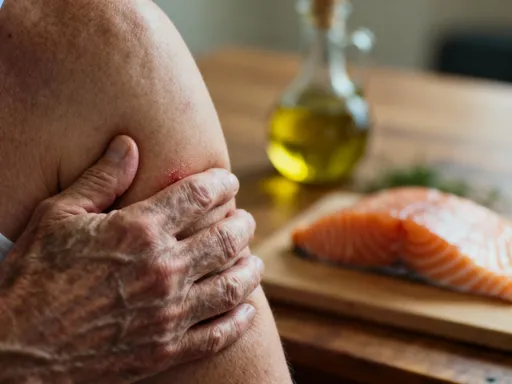
Specific nutrients are also essential for skin repair. Omega-3 fatty acids, found in fatty fish, flaxseeds, and walnuts, reduce inflammation and support cell membrane integrity. Zinc, a mineral involved in over 300 enzymatic reactions, plays a vital role in wound healing and immune function. Deficiencies in zinc have been associated with delayed recovery and increased acne severity. Vitamins A and D are equally important: vitamin A regulates cell turnover and supports epithelial tissue repair, while vitamin D modulates the immune system and enhances antimicrobial defense in the skin.
Hydration and protein intake are often underestimated in skincare conversations. Water is essential for nutrient transport and cellular function, and even mild dehydration can impair skin elasticity and recovery speed. Protein provides the amino acids needed to build collagen, elastin, and other structural components of the skin. Without adequate protein, the body cannot efficiently rebuild damaged tissue. Additionally, managing blood sugar levels is crucial — high-glycemic diets lead to insulin spikes that increase sebum production and inflammation, both of which hinder recovery. Choosing whole grains, legumes, and low-glycemic fruits helps maintain stable glucose levels and supports overall skin health.
Mistakes That Undermine Your Skin’s Healing Process
Even with the best intentions, common habits can unintentionally sabotage skin recovery. One of the most prevalent errors is product overload — the belief that applying more products will yield faster results. In reality, layering multiple actives such as acids, retinoids, and vitamin C can overwhelm the skin, leading to irritation, barrier disruption, and prolonged recovery. The skin is not designed to process a dozen different ingredients at once. Simplicity and compatibility are key to a successful routine.
Another critical mistake is skipping sunscreen during recovery. UV radiation not only slows healing but also increases the risk of post-inflammatory hyperpigmentation — dark spots that form after inflammation. Even brief sun exposure can trigger melanin production in healing skin, making marks more visible and longer-lasting. Broad-spectrum SPF 30 or higher should be applied daily, regardless of weather or season, to protect the skin’s progress.
Emotional stress is another invisible yet powerful factor. When under chronic stress, the body produces excess cortisol, which increases oil production and weakens the skin barrier. This creates a vicious cycle: stress worsens skin conditions, which in turn increases emotional distress. Mindfulness practices, regular physical activity, and adequate sleep can help regulate cortisol levels and support both mental and skin health.
Finally, there comes a point when DIY solutions are no longer sufficient. Persistent redness, cystic acne, or signs of infection should prompt a consultation with a board-certified dermatologist. Self-treating with unproven remedies or strong over-the-counter products can lead to further damage. Professional guidance ensures accurate diagnosis and safe, effective treatment tailored to individual needs. Knowing when to seek help is not a failure — it’s a responsible step toward true recovery.
Building a Sustainable, Science-Informed Skincare Mindset
The journey to healthy skin is not about achieving perfection but about cultivating resilience. Shifting from a mindset of quick fixes to one of long-term support allows for more sustainable results. Instead of chasing flawless skin, the goal becomes understanding and working with the body’s natural rhythms. This approach values consistency, patience, and self-awareness over dramatic transformations.
Creating a personalized routine starts with listening to your skin. Rather than following trends or celebrity regimens, observe how your skin responds to products and environmental changes. Does it feel tight after cleansing? That may indicate a need for a gentler formula. Does redness appear after introducing a new serum? It might be too potent for your current barrier strength. Adjusting based on these signals fosters a more intuitive and effective approach.
Tracking progress meaningfully requires looking beyond the mirror. Instead of focusing solely on visible changes, consider how your skin feels — is it less reactive? Does it recover faster after minor irritation? These subtle improvements are often the first signs of true healing. Keeping a simple journal or taking weekly photos under consistent lighting can help identify patterns and reinforce patience.
In closing, skin recovery is not a flaw to be fixed but a biological function to be supported. It reflects the body’s innate intelligence and capacity for renewal. By aligning choices with science — from ingredient selection to lifestyle habits — it becomes possible to nurture this process with wisdom and care. The result is not just better skin, but a deeper connection to one’s own health and well-being.